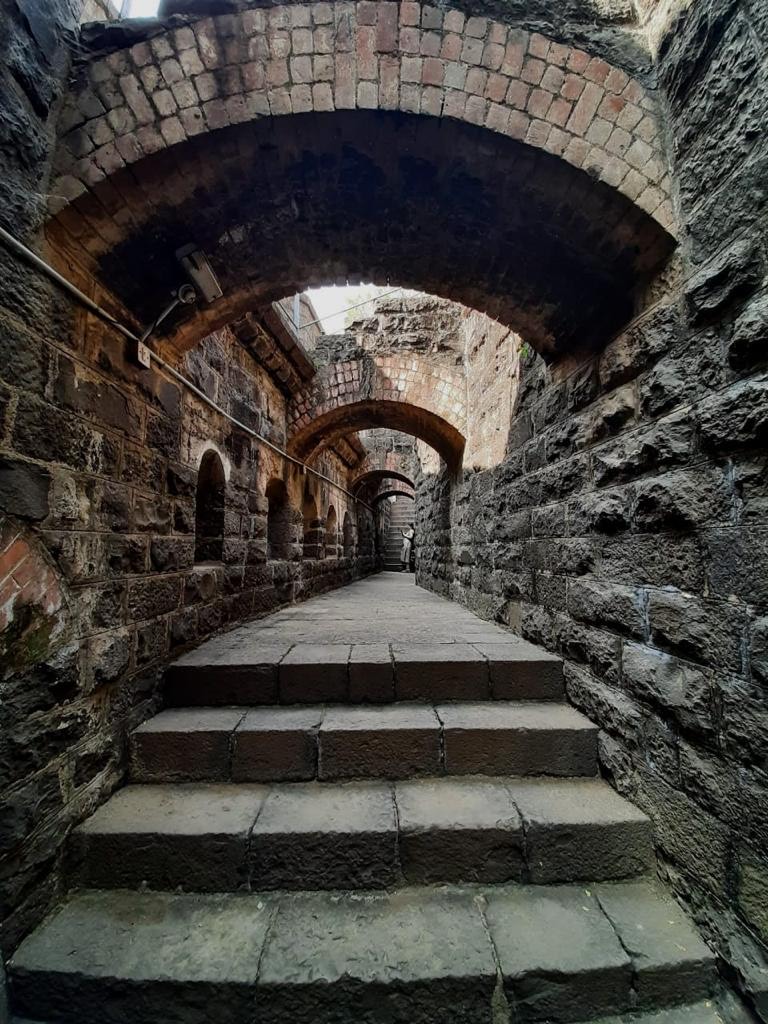
India is famous all over the world for its unity in diversity. People of different religions, castes and cultures live together here. Many festivals and fairs reflecting this feeling of mutual brotherhood and unity are an integral part of Indian culture. One of these fairs is the Bhado Mela of Sarai Khwaja, which is located in Jaunpur district of Uttar Pradesh. This fair is held on the sixth day of the month of Bhado at the Surajkund pond. Historically, this region has been very important – it was earlier called Siraj of the East and was ruled by Sharqi rulers. Apart from being a symbol of religious faith, this fair is also a major center for fulfilling the needs of rural life, especially farmers.
The most special thing about this fair is that while other fairs only display glitter and items related to the upper class, the fair at Sarai Khwaja sells agricultural equipment like plough, shovel, pump set, tractor and household items like grinder, pestle, hand wheel etc. This fair provides a great opportunity for farmers to fulfil their needs and sell the goods made by their hard work. Cultural and entertainment programmes like traditional drama and folk dance are also organised in the fair. There is a temple and a mosque adjoining it in the Sarai Khwaja market, which presents a beautiful example of India’s Ganga-Jamuni tehzeeb. People from both Hindu and Muslim communities participate in this fair in large numbers, which further strengthens the feeling of unity and cultural coordination of India.
Surajkund pond is also an important part of this fair. It is believed that bathing in this pond relieves skin problems like ringworm, itching and white spots. This fair used to attract people from distant cities like Peshawar, Rawalpindi and Lahore before the partition of 1947, making the region economically prosperous.
This fair is extremely beneficial not only from a religious and cultural point of view but also from an economic point of view. Local artisans get an opportunity to exhibit their crafts and art, which also provides them employment. The sale of goods such as stools, rolling pins, chairs, tables, ploughs made of wood improves the economic condition of farmers and artisans. While other fairs like Ghazi Miyan Ka Mela, Rath Mela and Magh Mela sell mostly machine-made goods, Sarai Khwaja’s Bhado Mela gives importance to handicrafts and equipment made by small farmers. This not only improves their livelihood, but also preserves traditional folk art and rural crafts.
So, in conclusion, it can be said that Sarai Khwaja’s Bhado Mela is a living symbol of India’s integrated culture, farmer-based economy and folk traditions. This fair is not only a centre of entertainment and faith, but is also very important from the social and economic point of view.
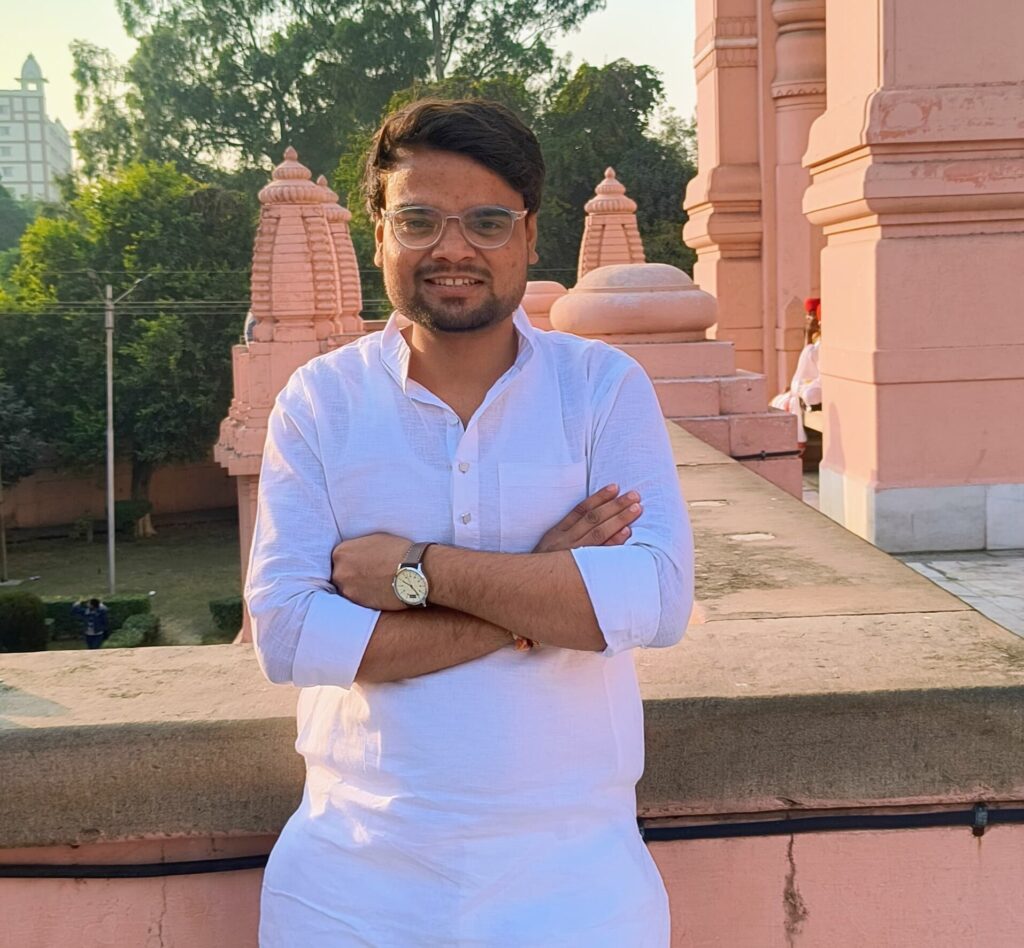
Alok Pandey is currently pursuing Masters degree in Ancient History from the Banaras Hindu University, Varanasi. He wishes to work on Indian culture and traditions.