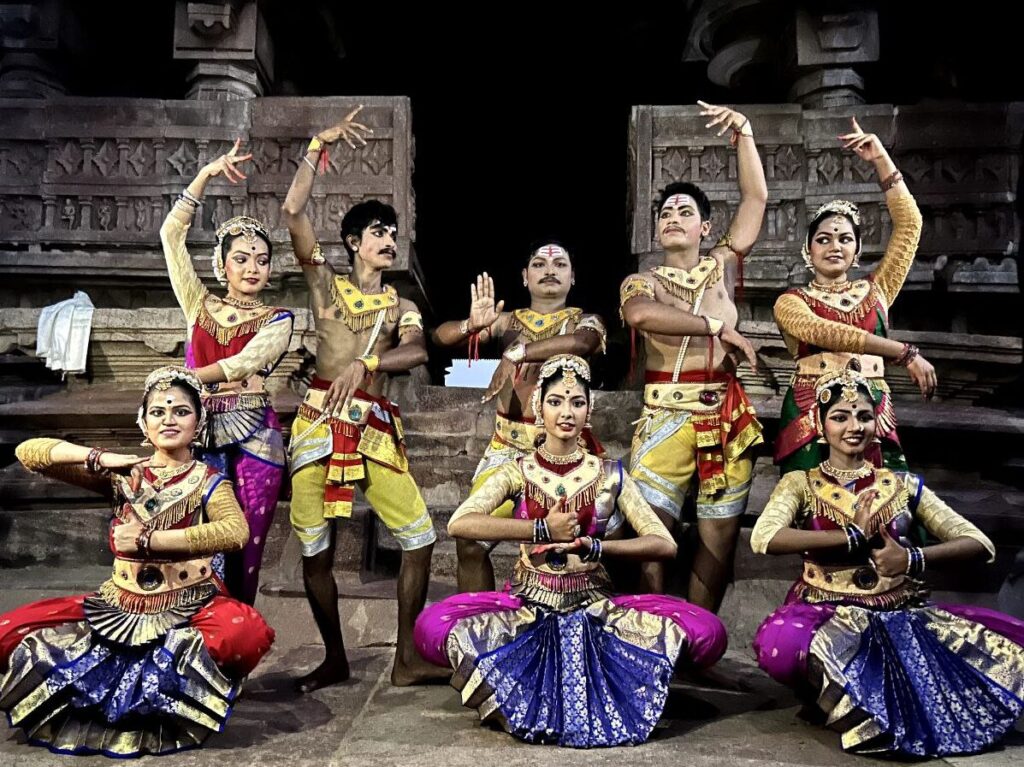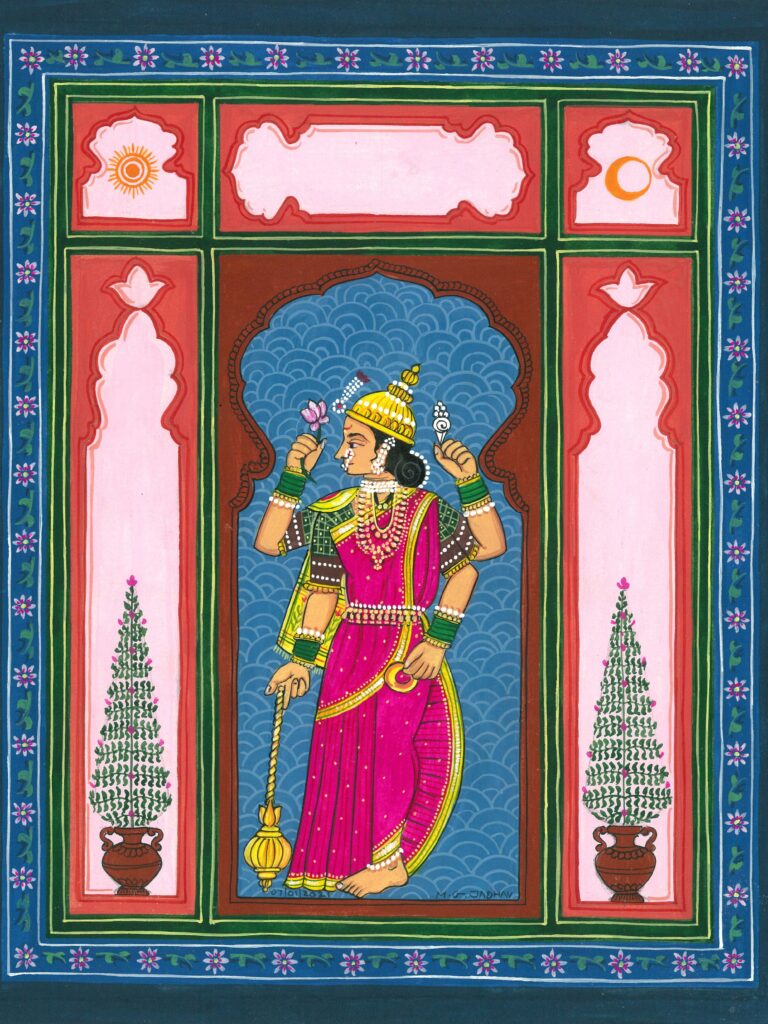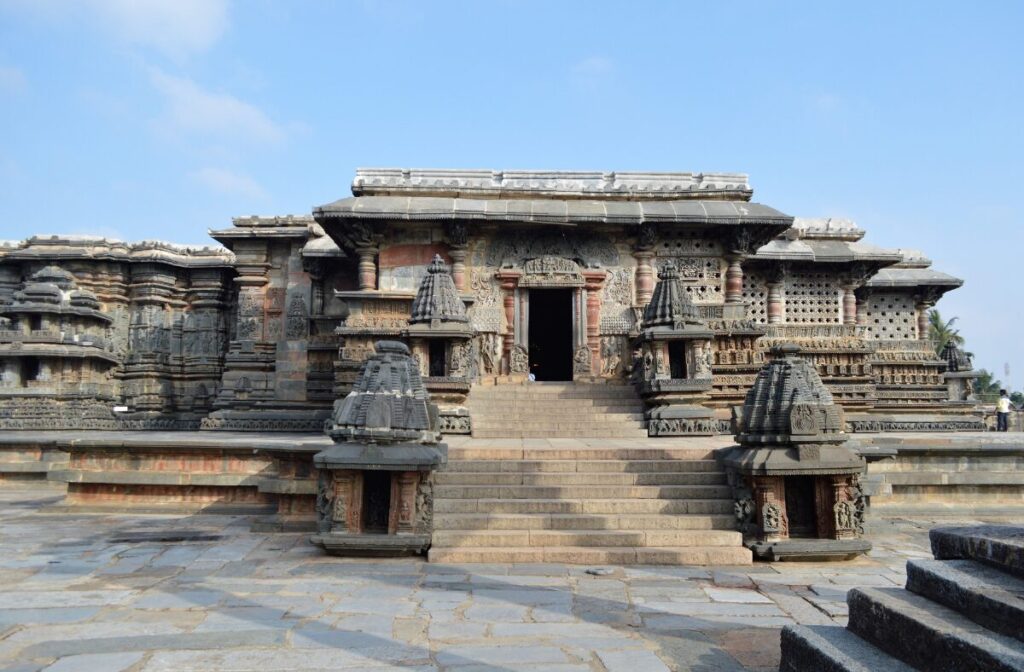
Monuments often greet us in silence. Standing firm against time, they appear as mute witnesses to history – structures of stone, brick, and mortar that belong to a distant past. Yet, for societies that live around them, monuments are far from silent. They speak through memory, emotion, pride, and belonging. Beyond their architectural and historical value, monuments play a crucial role in shaping collective identity, acting as cultural symbols through which communities understand their past and locate themselves in the present.
In India, monuments are deeply embedded in everyday life. A fort may serve as a symbol of regional pride, a temple as a marker of cultural continuity, or a memorial as a site of national remembrance. These structures are not merely preserved remnants of history; they are living cultural spaces that continue to influence how people think, feel, and identify with their heritage.
Monuments as Cultural Symbols

At their most basic level, monuments are physical representations of historical moments, rulers, events, or belief systems. However, their significance extends far beyond what is carved into stone or recorded in inscriptions. Over time, monuments transform into symbols carriers of meanings shaped by collective memory, storytelling, education, and cultural practice.
A single monument can hold multiple interpretations. What may once have been a royal structure representing power and authority can later become a symbol of resistance, resilience, or unity. This transformation highlights an important cultural truth: monuments do not possess fixed meanings. Instead, they acquire significance through the ways societies remember, reinterpret, and engage with them.
In this sense, monuments act as cultural texts. They are read differently by different generations, communities, and social groups. School textbooks, popular media, tourism narratives, and public ceremonies all contribute to how monuments are perceived. Through this process, stone structures gradually turn into symbols deeply embedded in cultural consciousness.
Collective Identity and Shared Memory
Collective identity is built on shared memories and stories that communities tell themselves about who they are, where they come from, and what they value. Monuments play a central role in sustaining these shared narratives. They provide tangible reference points for abstract ideas such as nationhood, regional belonging, and cultural continuity.
National monuments, for instance, often become sites where collective identity is performed and reinforced. Flag hoisting ceremonies, commemorative events, and public gatherings transform these spaces into stages of shared memory. Even individuals who may never visit such monuments develop emotional connections to them through images, stories, and symbols circulated in public life.
At the regional and local level, monuments foster a sense of belonging rooted in place. A centuries-old temple, fort, or memorial may not feature prominently in national narratives, yet it holds deep meaning for the community that surrounds it. These sites become markers of local history, pride, and continuity, linking present generations to those who lived before them.
Importantly, monuments also shape identity through repetition. Repeated visits during school trips, festivals, or family outings embed these spaces into personal memory. Over time, individual experiences merge into collective ones, reinforcing a shared sense of cultural belonging.
People, Practice, and Everyday Engagement
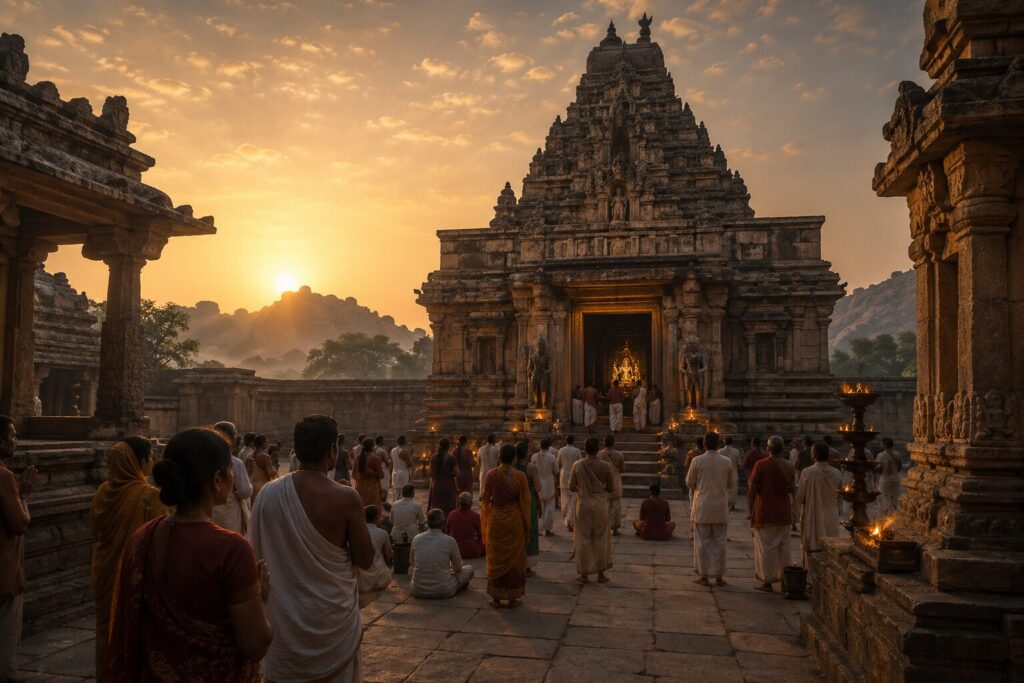
One of the defining features of Indian monuments is their continued integration into everyday life. Unlike monuments that exist solely as preserved artefacts, many Indian heritage sites remain active cultural spaces. People pray, celebrate festivals, take photographs, sell flowers, tell stories, and pass time within their premises.
These everyday interactions breathe life into monuments. A structure that might appear static to an outsider becomes dynamic through human presence and practice. Rituals, seasonal festivals, and informal gatherings transform monuments into lived spaces where history intersects with the present.
Such engagement also shapes emotional connections. Monuments evoke feelings of pride, nostalgia, reverence, and sometimes even loss. These emotions play a significant role in identity formation, as people associate personal and collective experiences with particular places. In this way, monuments function not just as historical markers, but as emotional anchors within cultural life.
Monuments in a Changing Cultural Landscape
As societies change, so do their relationships with monuments. Urbanisation, tourism, digital media, and evolving social values influence how heritage is experienced and understood. Monuments increasingly exist at the intersection of preservation, popular culture, and public debate.
This changing landscape raises important cultural questions. How should monuments be preserved without disconnecting them from living communities? How can heritage management balance historical integrity with contemporary relevance? And how can monuments continue to serve as inclusive symbols in diverse societies?
Addressing these questions requires recognising monuments not as isolated objects, but as participants in cultural life. Preservation, therefore, must go beyond physical conservation. It should also involve safeguarding the intangible cultural meanings, memories, and practices that give monuments their symbolic power.
Conclusion
From stone to symbol, monuments undergo a remarkable transformation. They move beyond their material form to become carriers of memory, identity, and meaning. Through collective engagement, interpretation, and emotional connection, societies turn historical structures into powerful cultural symbols that shape how communities see themselves.
In India, monuments stand not only as reminders of the past, but as bridges between history and lived experience. They invite reflection, foster belonging, and anchor collective identity in a rapidly changing world. To understand monuments merely as architectural relics is to miss their deeper cultural role. They are, above all, living expressions of who we are rooted in stone, yet shaped by memory.

S S Sneha is a postgraduate public policy scholar and historian who views India’s ancient heritage through the lens of modern governance. Specializing in public systems, she explores how Hinduism, mythology, and sacred spaces historically functioned as decentralized institutions for social administration and resource management. By unearthing the timeless narratives of regional traditions, she bridges the gap between ancient cultural legacies and contemporary policy insights. Learning from yesterday, designing for tomorrow.