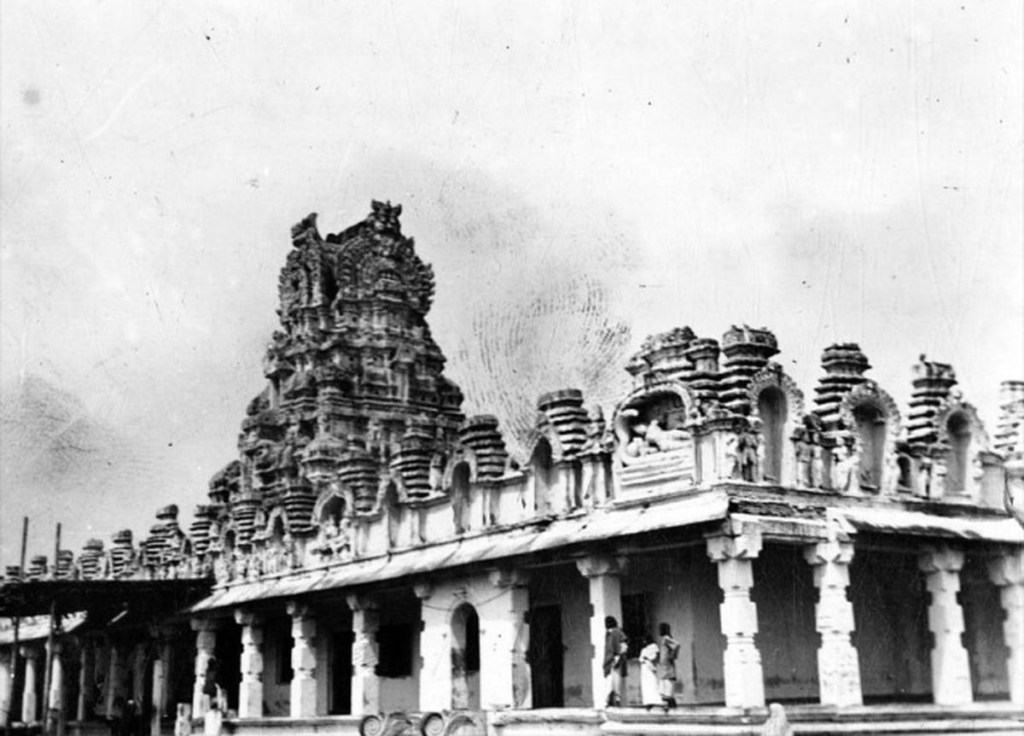
Navaratri is not simply a festival of nine nights. In many parts of India, it is a period when faith, family, music, tradition and memories come together. Every region celebrates Navaratri in its own way, but the spirit behind the festival remains closely connected with the victory of good over evil and the strength of the divine feminine. In Goa, Karnataka and Kerala, the festival also reflects the cultural traditions that have travelled across generations.
For me, Navaratri brings back memories of temples, family gatherings and the atmosphere that surrounds these days. The festival reminds me that traditions are not preserved only in books. They survive through families, temples, food, music, conversations and the participation of ordinary people.
Navaratri in Goa
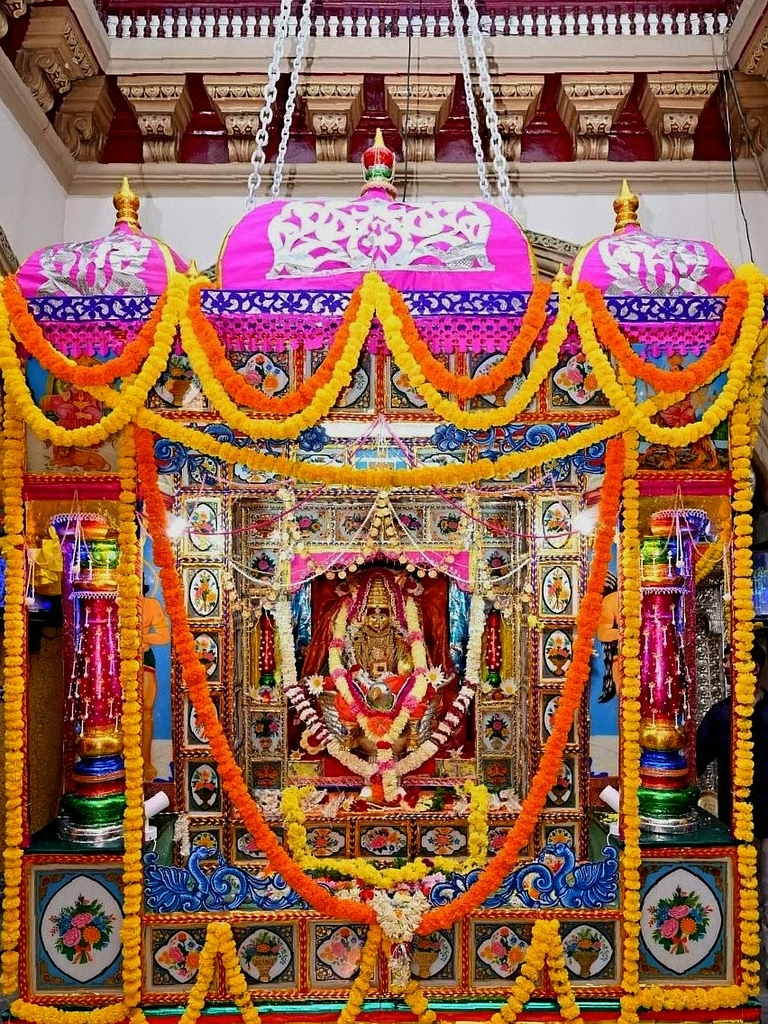
Goa has a special place in the religious and cultural history of the Goud Saraswat Brahmin community. Several ancient temples associated with the community continue to observe festivals with devotion and traditional practices. The temples of Mangeshi, Mahalasa, Ramnathi, Shantadurga and other important shrines become centres of activity during the festival season. Navaratri brings together devotees living in Goa as well as those who have moved to other parts of India and abroad. The atmosphere around a temple during these days is difficult to describe merely as a religious celebration. There is prayer, music, decoration and the meeting of relatives and friends. For families whose ancestors lived in Goa, a visit to these temples can also become a journey into their own history. Mangeshi has a particularly personal significance for my family. My mother’s ancestral place is Mangeshi in Goa. Therefore, the name of Mangeshi is not merely a geographical reference for me; it is connected with family memories and a sense of belonging.
Karnataka and the Temple Tradition
The connection between Goa and Karnataka is particularly visible during festivals. For centuries, communities have travelled between Goa and the coastal districts of Karnataka, carrying their languages, customs, food traditions and religious practices with them. Places such as Mangaluru, Udupi, Kasaragod and surrounding areas have developed their own distinctive traditions of Navaratri. Temples associated with the Goud Saraswat Brahmin community also become important gathering places during the festival. In Mangaluru and Udupi, the festival atmosphere is closely associated with temple worship, cultural programmes and family participation. The region has a rich tradition of celebrating the goddess through music, rituals and community gatherings.
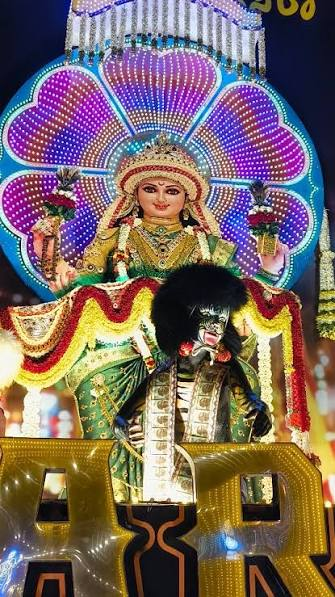
Mangaluru itself has a long history of cultural interaction. Konkani-speaking communities, Tulu-speaking communities, Kannada-speaking people and other groups have lived alongside one another, influencing each other’s food, customs and festivals. Navaratri provides a good example of this shared cultural life.
Kerala’s Different Expression of Navaratri
When Navaratri reaches Kerala, the festival acquires a somewhat different character. Kerala is especially known for the final days of Navaratri, including the Saraswati Puja and Vidyarambham traditions. The worship of books, musical instruments and tools reflects the importance given to knowledge and learning. On Vijayadashami, children are traditionally introduced to the world of letters through Vidyarambham. It is one of the most beautiful cultural traditions associated with the festival. As a teacher, I find this aspect of Navaratri particularly meaningful. Education is not simply about examinations or employment. It is also about respect for knowledge, teachers, books and the process of learning. The Saraswati Puja tradition reminds us of this simple idea.
In Kerala, temples and homes both become places of celebration. In many families, the festival is observed with prayers and simple rituals rather than elaborate public programmes. The diversity of these practices shows that Indian festivals can have many forms while preserving the same fundamental values.
Navaratri and the GSB Community
For the Goud Saraswat Brahmin community, festivals are also occasions for maintaining connections between generations. Families may live in Kerala, Karnataka, Goa, Maharashtra, Mumbai, Delhi or other parts of India, but temple traditions often remain a common link. Konkani-speaking families have carried their customs wherever they settled. The language itself has travelled with them, and festivals have helped preserve cultural identity.
Food is another important part of this cultural memory. Traditional dishes prepared during festivals often bring back memories of grandparents and family gatherings. Dishes such as dalitoy, gheshi, valval, ambat and different preparations of vegetables and sweets are more than food for many families. They are part of a remembered way of life. During Navaratri, such memories become particularly strong because family members who live in different places may come together at ancestral temples or family homes.
The Meaning of the Nine Nights
The story of Navaratri is often understood through the worship of different forms of the Goddess. The festival ultimately represents the triumph of good over evil and the victory of righteousness over destructive forces. But its relevance today can be understood beyond mythology.
Modern life has brought enormous changes. Young people move from villages to cities and from India to different parts of the world. Families are becoming smaller. Traditional occupations and old patterns of community life are changing. Yet festivals continue to provide an opportunity to reconnect. A temple visit can bring together a grandfather, his children and grandchildren. A traditional meal can create a conversation between generations. A familiar prayer can remind someone living far away from home of their childhood. In this sense, Navaratri continues to perform an important social and cultural role.
Tradition and the New Generation
The younger generation celebrates festivals differently from earlier generations. Social media, digital communication and modern lifestyles have changed the way people participate in cultural events. This change should not necessarily be viewed negatively. Traditions have always evolved. What matters is whether their essential values are preserved. A young person may learn about a temple through a mobile phone before visiting it in person. A family living in another country may participate in a festival through a video call. Photographs and digital archives may help preserve memories that might otherwise disappear. At the same time, direct participation remains important. Children should have opportunities to visit temples, listen to elders, learn traditional stories and understand why particular customs are followed. Tradition becomes meaningful when it is understood rather than merely repeated.
A Festival That Connects Different Regions
Navaratri also reminds us that India’s cultural unity does not mean uniformity. The same festival can appear differently in Goa, Karnataka and Kerala.
In Goa, temple traditions and community worship have a strong historical character. In coastal Karnataka, Navaratri exists within a rich environment of temple culture and multiple linguistic communities. In Kerala, the festival has a special association with learning, Saraswati Puja and Vidyarambham. These differences do not divide the festival. They make it richer. The movement of communities between these regions has created cultural bridges. The GSB community is one example of how language, religion, food and family traditions have travelled across geographical boundaries while adapting to local surroundings.
A Personal Reflection
Whenever I think of Navaratri, I do not think only of a calendar festival. I think of people. I think of elders who preserved traditions without making them complicated. I think of family members travelling to temples, meeting relatives and sharing food. I think of Goa, Karnataka and Kerala and the cultural connections between them. Most importantly, I think of the simple values that festivals teach us: respect for parents and elders, gratitude towards teachers, affection among family members, kindness towards others and faith in the power of good values.
These values are relevant even when society changes. Navaratri therefore remains much more than nine nights of worship. It is a living tradition that connects the past with the present and, hopefully, with the future. As lamps are lit in temples and homes, families gather and prayers are offered, the deeper message remains simple: darkness does not last forever, knowledge can overcome ignorance, and goodness can overcome evil. That is perhaps why Navaratri continues to remain meaningful to generations of Indians—wherever they live and whatever language they speak.
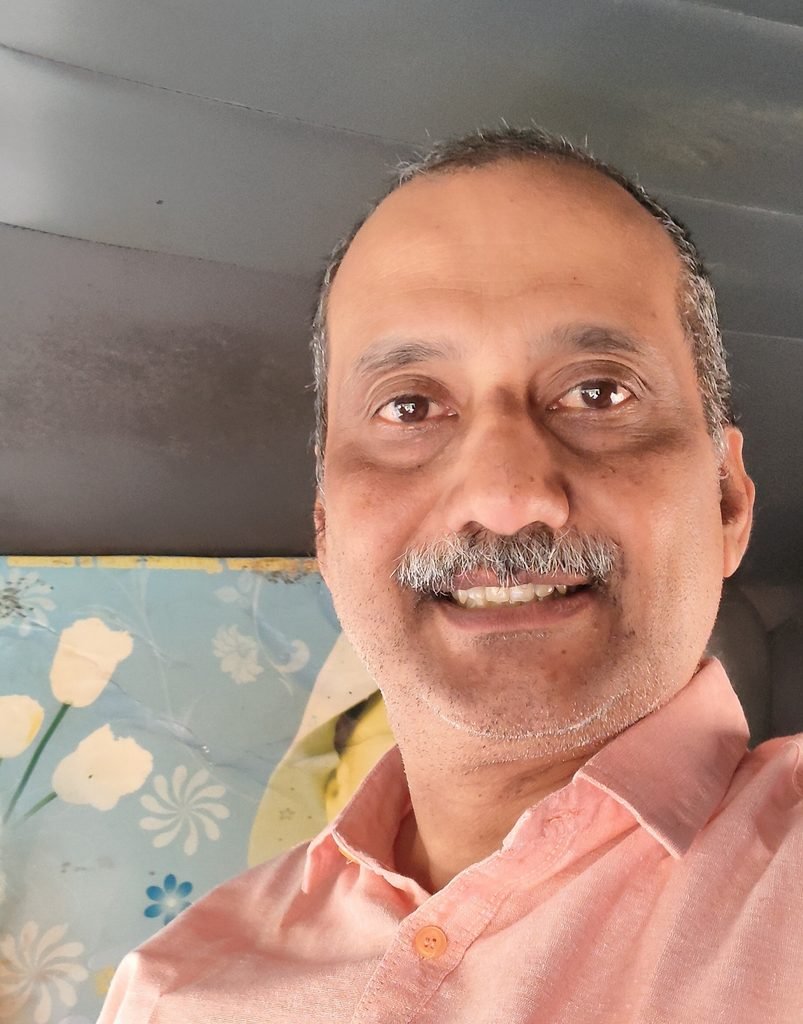
The Author, V Rajesh Mohan Rao is a higher secondary school teacher teaching commerce subjects and Member of Konkani language working committee Kerala. He is also the President of Dharmadam Chandrakala Mohan Rao Cultural Forum which serves the community.