The Essence of Balipeetham: Unveiling Its True Significance

A Balipeetham has to be most misrepresented aspect of Indian temples. Balipeetham is a small square or octagonal structure built on a square platform. The structure maybe plain in design or maybe artistically crafted. The Balipeetham is placed right next to the Dhwajastambha. The Balipeetham is often said to be the place for animal sacrifice. […]
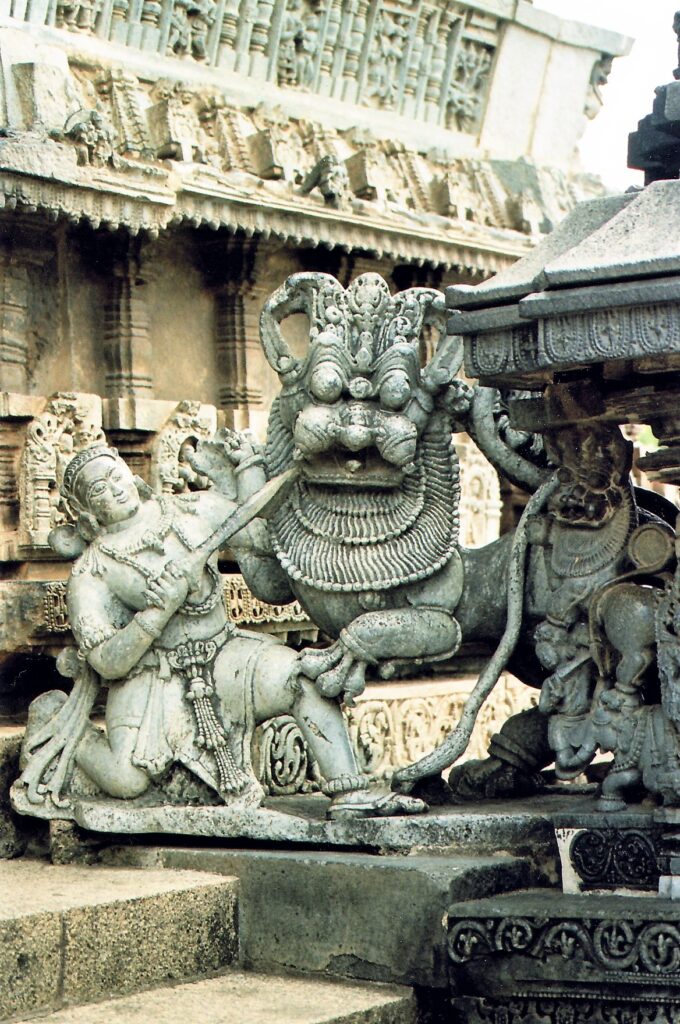
Intricate Beauty and bravery: The Hoysala Emblem and Its Significance

View this post on Instagram A post shared by Indian.Temples Research & Media Services (@indian.temples) The Hoysala Empire was a Kannadiga power that ruled most of what is now Karnataka between the 10th and the 14th centuries. The capital of the Hoysalas was initially located at Belur, but was later moved to Halebidu. The Hoysala […]
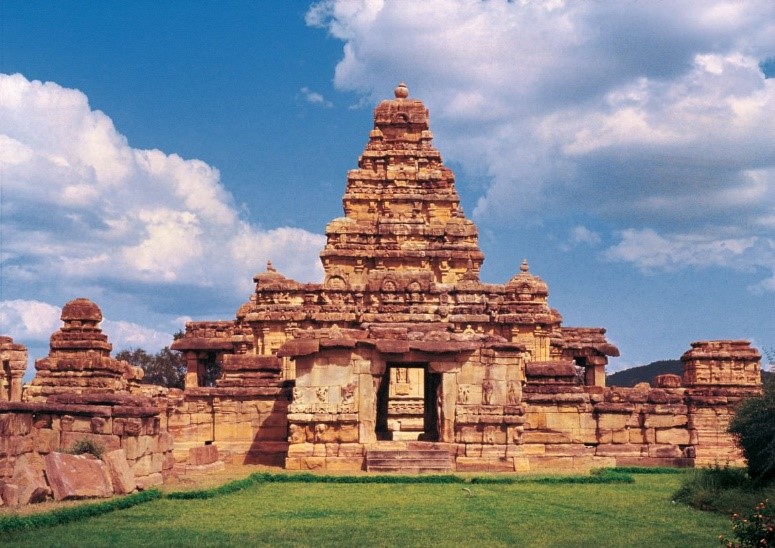
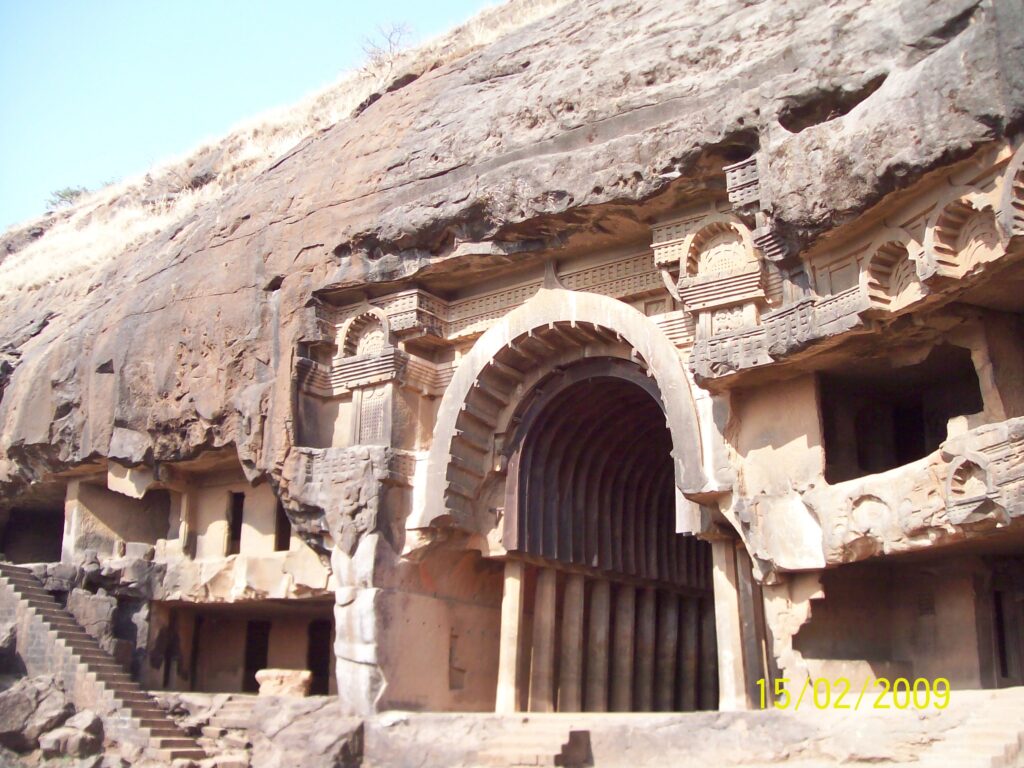
Architectural Wonders of Karnataka: Badami, Aihole, and Pattadakkal Temples

View this post on Instagram A post shared by Indian.Temples Research & Media Services (@indian.temples) Remember the iconic 2012 movie Rowdy Rathore? The Akshay Kumar and Sonakshi Sinha starrer had created a buzz in the box office. In this movie, along with the actors, the location had played a very important role. The previously less […]

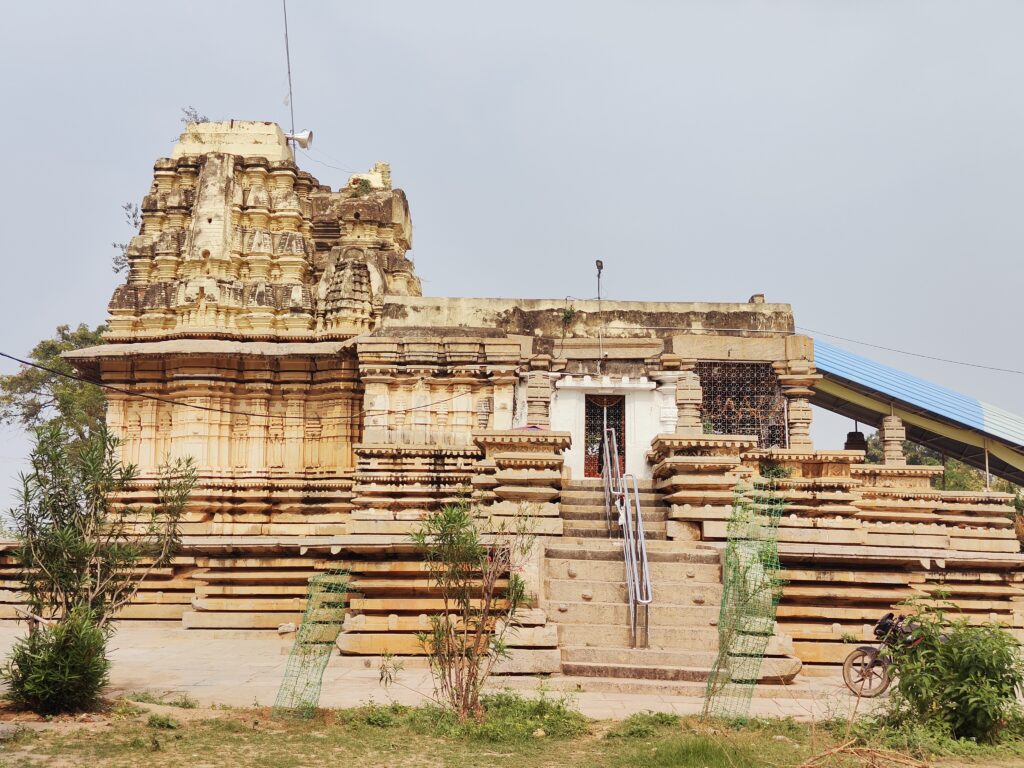
Unveiling the Treasures of Kuranganathar Temple, Srinivasanallur

Srinivasanallur is a small village on Tiruchirappalli-Namakkal Highway, about 45 kilometres from Tiruchirappalli town, where there is this magnificent Temple called, Kuranganathar Temple, which is quiet popular amongst History and Archaeology enthusiasts. The village Srinivasanallur, was known as Mahendramangalam when this part of the region was under the reign of Pallava King Mahendravarman, and was […]

The Divine Legacy of Hoysala Temples: An Architectural Saga

The Hoysala temples of Karnataka, located in the Belur, Halebidu and Somananthpura regions, made their way into the Unesco World Heritage list. The announcement was made on UNESCO’s official handle on X (formerly Twitter) on Monday 18th September. The temples, called the ‘Sacred Ensembles of the Hoysala’, have been on Unesco’s tentative list since April […]

Omkareshwar Temple: Reminiscent of Marathas Architecture, Pune.

Omkareshwar means the Lord of the Omkara, representing the “Om” sound. Omkareshwar is one of the other appellations of Lord Shiva. On the banks of the Mutha River in Pune, Maharashtra, the renowned Omkareshwar temple was built under the supervision of Peshwa’s spiritual guru, Shivram Bhat. The entire construction lasted for twenty years (1740-1760). This […]
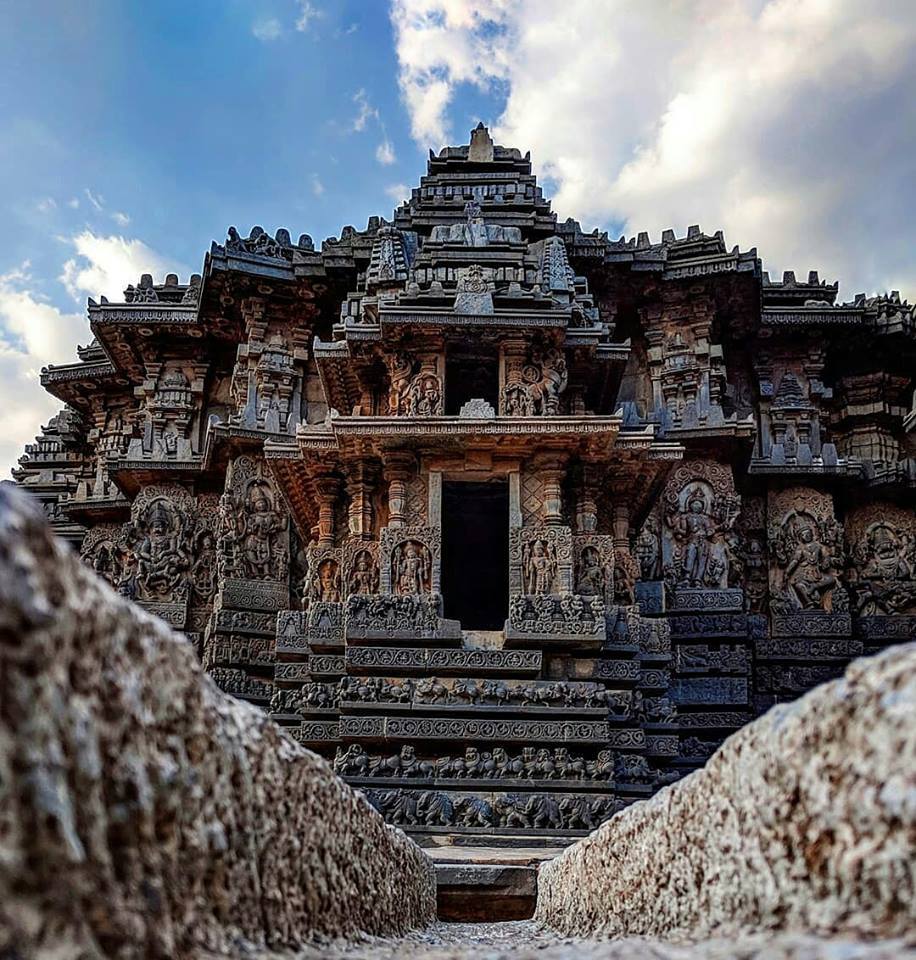
Hoysala Temple Architecture : An Introduction

Hoysala architecture is the building style in Hindu temple architecture developed under the rule of the Hoysala Empire between the 11th and 14th centuries, in today’s Karnataka. Hoysala influence was at its peak in the 13th century, when it dominated the Southern Deccan Plateau region.

Shikhara Styles of Indian Temples – An Evolution

Understanding temple architecture is a very interesting part. But you need to have right information for it. In this article, researcher Pranjal Wagh gives very accurate information about temple Shikharas.

Recreating lost heritage, Digitally

How often does it happen to you that you try to visualise how a monument might have looked in its glory? And you can’t visualise it properly. What if someone; who is an expert in the field of temple architecture and history; could show you how it used to look? Parnavi Bangar is doing exactly that.